
Imagine an affiliate promotes your brand, runs ads on social media, writes engaging content, and brings real traffic to your platform.
The conversion starts coming, and the dashboard shows earnings.
But still, affiliates are struggling for their payments
No payout updates, no clear approval date, just status showing pending and under review.
At this point, most affiliates do not complain loudly. They simply stop promoting your brand.
And this is the reality that most of the affiliate programs are facing, not because their product is good or bad, but because their affiliate payout terms are unclear, slow, and unfair.
In affiliate marketing, trust is everything, and payout terms are where that trust is tested first.
In this blog, you will learn more about how affiliate payout terms impact trust, retention, and performance. Also, you will learn why payout delays, strict validation rules, high thresholds, and confusing conditions push affiliates away. And how businesses can design affiliate-friendly polices to run a smooth affiliate program.
What are Affiliate Payout Terms?
Affiliate Payout Terms define how, when, and under what conditions affiliates get paid for the traffic or conversions they generate.
These terms usually cover:
- Payment frequency (weekly, bi-weekly, monthly)
- Validation and approval timelines
- Minimum payout thresholds
- Payment methods
- Reversal and clawback policies
- Conditions for holding or rejecting payouts
While these may seem operational for the brand, But for the affiliates, payout terms as a direct signal of a brand’s credibility.
If payout terms feel unfair or confusing, affiliates assume risk. And affiliates rarely promote brands they don’t trust.
Why Affiliate Payout Terms Matter More Than You Think
Affiliate marketing is not a free service to bring relevant traffic to your platform.
Affiliates Invest:
- Time to create engaging content
- Money to run ads
- Efforts in optimization
- Trust from their audience
In return for this investment, they want only one thing: clear and timely payments.
When Affiliate Payout Terms feel unclear or unfair, affiliates feel exposed. They start doubting the brand. Even small issues can
- Lower affiliate motivation
- Reduced promotional effort
- Increased churn
- Negative word-of-mouth in affiliate communities
In competitive industries like iGaming, SaaS, finance, and eCommerce, affiliates always have options. If your payout terms feel risky, they will move to another brand.
How Delayed Payouts Break Affiliate Trust
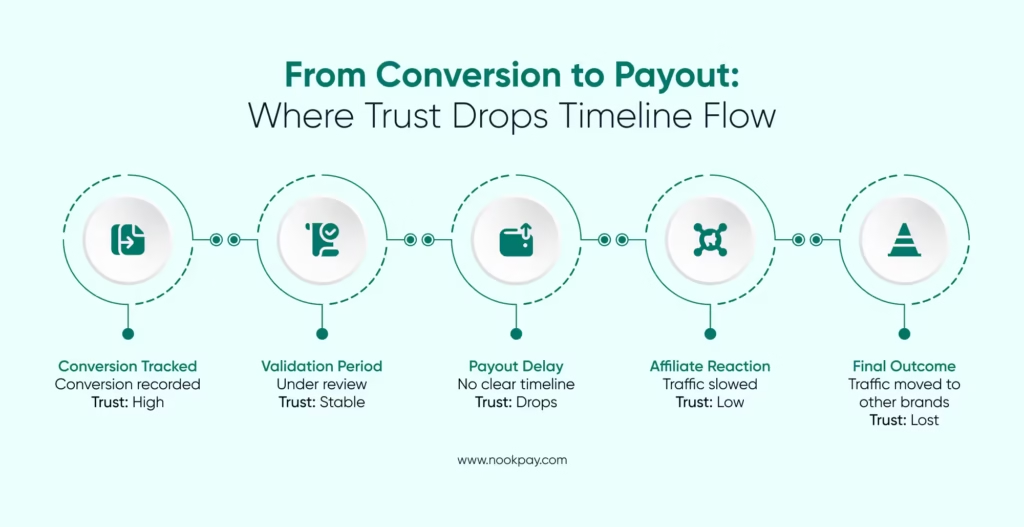
In affiliate marketing, late payments are one of the biggest reasons affiliates leave a program. For Many affiliates, payout is not just about earning. They are the working capital. That money is often reinvested into ads, tools, content creation, or influencer collaborations.
Even if payouts arrive eventually, waiting without clarity creates stress and doubt. When affiliates do not know when they will be paid or why a payout is delayed, trust starts to fade.
From an affiliate’s point of view:
- Delayed payout means disrupted cash flow
- Ad budgets get stuck, and campaigns pause
- Planning future promotions becomes difficult
- Scaling traffic feels risky without payment certainty
Affiliates start asking themselves:
- Is this brand financially stable
- Will this payout ever clear?
- Should I slow down or pause traffic?
Once these questions appear, behavior changes. Affiliates stop testing new campaigns, reduce ad spend, and avoid sending high-quality traffic because unclear Affiliate Payout Terms make the risk feel too high.
Over time, affiliates naturally move their best placements and highest-converting traffic to brands with faster, clearer, and more predictable payout schedules. Even strong commission rates cannot fix broken trust caused by payout delays.
In the long run, consistent and transparent payouts matter more to affiliates than high promises with slow execution.
When Affiliate Payout Terms Feel More Like Punishment Than Protection
In every business, validation is important because brands need to save themselves from fraud, fake sign-ups, and poor-quality traffic. This part makes sense
But sometimes validation becomes a punishment when Affiliate Payout Terms include validation rules that are too strict or unclear.
Instead of feeling protected, affiliates are feeling punished
Common issue that affiliates face:
- Conversions rejected without any clear reason
- Manual reviews that take weeks with no timeline
- Rules changing after traffic has already been sent
- Entire batches of conversions are disqualified at once
When Affiliate Payout Terms depend heavily on unclear or subjective validation, affiliates lose direction. They do not know what type of traffic will be approved or how to improve results.
As a result, affiliates reduce their effort, stop testing campaigns, or completely move away from the program. This leads to lower overall performance for the brand.
Payout Thresholds: Small Barriers That Create Big Problems
Payout thresholds decide how much an affiliate needs to earn before getting paid.
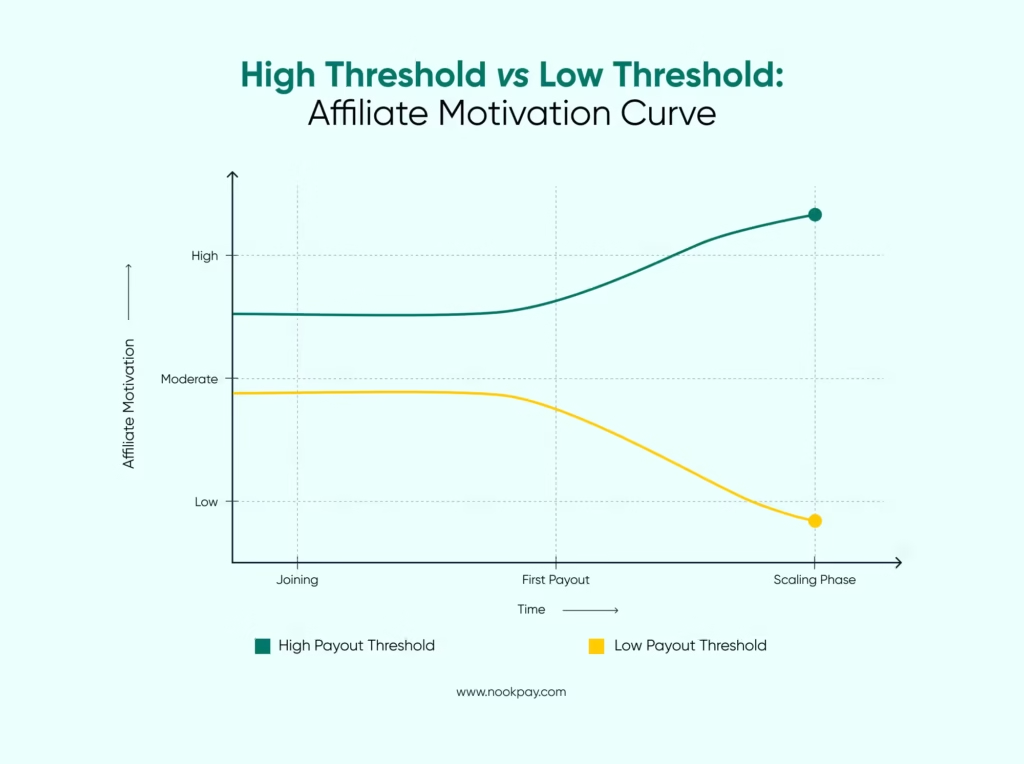
Brands use thresholds to manage payment processing and costs. However, when thresholds are set too high, they can quickly discourage affiliates, especially those who are new or still testing a program.
Common issues caused by high payout thresholds include:
- Affiliates waiting too long for their first payout
- New partners are struggling to reach the minimum amount
- Lower activity and engagement in the early stages
- Affiliates leaving before they see any real results
In contrast, well-structured Affiliate Payout Terms keep thresholds realistic and achievable. Faster payouts help affiliates feel rewarded early, which builds confidence and motivation.
Even experienced affiliates prefer programs with lower thresholds because quicker access to earnings makes it easier to reinvest in ads, content, and scaling efforts.
How Confusing Affiliate Payout Terms Create Mistrust
Sometimes, payout terms are not strict but simply confusing. And confusion can be just as damaging.
Affiliates should not have to:
- Read complex legal language
- Guess why conversions were rejected
- Chase affiliate managers for basic clarity
Common red flags affiliates notice:
- Different payout rules in different documents
- Vague phrases like low-quality traffic
- No clear payout schedule
- Hidden conditions for reversals
Confusing Affiliate Payout Terms sends a clear signal to affiliates: this program is risky.
Affiliates prefer programs where payout rules are simple, visible, and consistent across dashboards, contracts, and communication.
What Fair Affiliate Payout Terms Really Look Like
Affiliate-friendly payout terms do not mean zero control. They mean balance, transparency, and consistency.
Key elements of fair Affiliate Payout Terms:
1. Clear Payment Timelines
Affiliates should clearly know:
- When validation begins
- How long does approval take
- Exact payout dates
Example: Conversions are validated within 30 days. Payments are processed on the 15th of each month.
2. Transparent Validation Rules
Brands should clearly explain:
- What traffic types are accepted
- Common reasons for rejection
- How affiliates can improve approval rates
Transparency reduces disputes and builds stronger partnerships.
3. Reasonable Payout Thresholds
Thresholds should:
- Match average affiliate earnings
- Support new affiliates with faster payouts
- Avoid unnecessary waiting periods
Flexibility builds trust and loyalty
4. Multiple Payment Options
Affiliates operate globally.
Offering:
- Bank transfers
- E-wallets
- Regional or crypto options
shows respect for affiliate convenience.
5. Consistent and Clear Communication
Any updates to Affiliate Payout Terms should be:
- Shared in advance
- Clearly documented
- Updated inside dashboards
Unexpected changes damage trust.
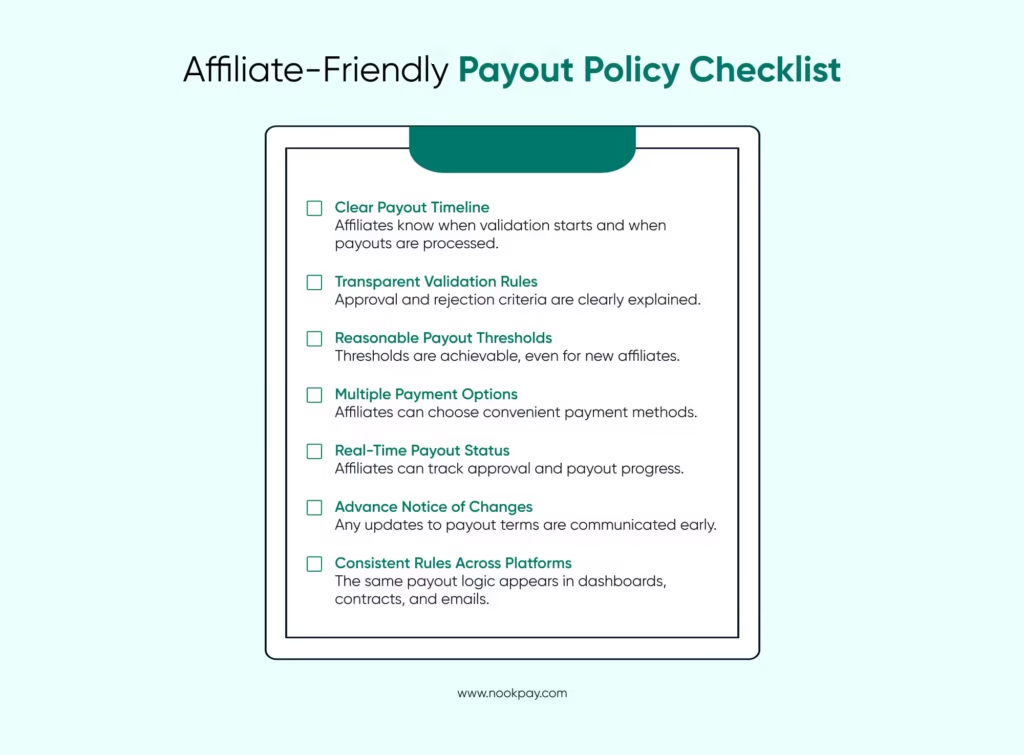
How Brands Can Design Affiliate-Friendly Payout Policies
Affiliate-friendly payout policies are not just about paying commissions. They are about making affiliates feel confident, respected, and secure about their earnings.
Here’s how brands can design payout policies that affiliates actually trust and want to work with:
1. Be Clear About When Affiliates Get Paid
Affiliates should never have to guess when their payout will arrive. Brands should clearly mention:
- How long does validation take
- When payouts are processed
- How often are payments made
Clear timelines reduce confusion and build trust.
2. Keep Validation Rules Simple and Transparent
Validation rules should protect the brand without confusing affiliates. Brands should clearly explain:
- What type of traffic is allowed
- What leads to rejection
- How affiliates can improve approval rates
When affiliates understand the rules, they send better-quality traffic.
3. Set Realistic Payout Thresholds
High payout thresholds slow down motivation, especially for new affiliates. Affiliate-friendly policies:
- Keep thresholds achievable
- Allow faster first payouts
- Support early-stage affiliates
Faster payouts encourage affiliates to stay active and scale faster.
4. Offer Multiple Payment Options
Affiliates operate in different countries and prefer different payment methods. Providing multiple options like:
- Bank transfers
- E-wallets
- Regional payment methods
makes payouts easier and more reliable.
5. Use Automation and Real-Time Tracking
Automated approval and real-time payout status help affiliates:
- Track earnings easily
- See validation progress
- Feel confident about payouts
Transparency reduces disputes and manual follow-ups.
6. Communicate Changes in Advance
If payout rules change, affiliates should be informed before the change takes effect. Clear communication helps maintain trust and avoids surprises
7. Listen to Affiliate Feedback
Brands should regularly:
- Review payout-related complaints
- Ask affiliates for feedback
- Improve policies based on real concerns
Affiliate-friendly payout policies evolve with partner needs.
Final Thoughts
Affiliate Payout Terms are not just backend rules. They define how much risk affiliates are willing to take when promoting your brand.
Delays, strict validation, high thresholds, and unclear rules slowly damage trust. Fair, transparent, and predictable payout terms do the opposite. They strengthen relationships, improve retention, and unlock better performance.
In a competitive affiliate ecosystem, brands that respect affiliates’ time and earnings always come out ahead.
Help Centre
1. Why are affiliate payout terms important for long-term affiliate relationships?
Affiliate payout terms directly affect trust. When affiliates clearly understand how and when they will be paid, they feel confident investing time, money, and effort into promoting a brand. Unclear or delayed payouts increase risk and often lead affiliates to leave, even if the commission rates are attractive.
2. How do payout delays impact affiliate performance?
Delayed payouts disrupt affiliates’ cash flow. Many affiliates rely on earnings to reinvest in ads, tools, and content. When payments are slow or unpredictable, affiliates reduce ad spend, pause campaigns, or shift their best traffic to brands with faster and more reliable payout schedules
3. What makes affiliate payout terms feel unfair to affiliates?
Affiliate payout terms feel unfair when validation rules are unclear, payouts are frequently delayed, thresholds are too high, or conversions are rejected without explanation. These issues make affiliates feel punished instead of protected, leading to frustration and reduced promotional effort.
4. What are affiliate-friendly payout terms?
Affiliate-friendly payout terms are transparent, predictable, and consistent. They include clear validation timelines, reasonable payout thresholds, multiple payment options, and proactive communication. These terms help affiliates feel secure about their earnings and encourage long-term collaboration.